Ever wonder if a sandbox session might be the key to unlocking a toddler’s hidden world? If you’re a parent, therapist, or educator, the question “When should I use play therapy for toddlers with autism?” often pops up like a persistent toddler’s request for more snacks. This article walks you through the signs, timing, and practical steps, sprinkling a dash of humor along the way, so you can decide when play therapy is the right fit for your little one.
Understanding Play Therapy and Autism
What is Play Therapy?
Play therapy is a structured, child‑centered approach that uses play to help children express feelings, develop coping skills, and improve social interactions. Think of it as a therapist’s playground—where how to get diagnosed with autism toys are tools, not distractions.
How Autism Affects Play
Autism spectrum disorder (ASD) can alter how toddlers perceive and engage with their environment. Sensory sensitivities, communication challenges, and repetitive behaviors may make conventional play difficult. A therapist can translate those hurdles into a supportive play space.
> “Play is the highest form of research.” – Albert Einstein
> (A reminder that curiosity is the engine of learning, even for toddlers.)
Signs It Might Be Time to Try Play Therapy
Developmental Milestones and Play
- Delayed object permanence: The child struggles to understand that toys exist when out of sight. Limited pretend play: A toddler rarely engages in imaginative scenarios, such as pretending a spoon is a phone. Repetitive play: The child repeatedly lines up cars or spins toys instead of exploring new interactions.
Communication and Social Cues
- Few gestures: Minimal pointing, waving, or nodding to communicate. Limited eye contact: Avoidance or difficulty sustaining eye contact during play. Social isolation: Prefers solitary play over sharing or turn‑taking.
If you notice a combination of these signs, it may be worth consulting a professional about play therapy.
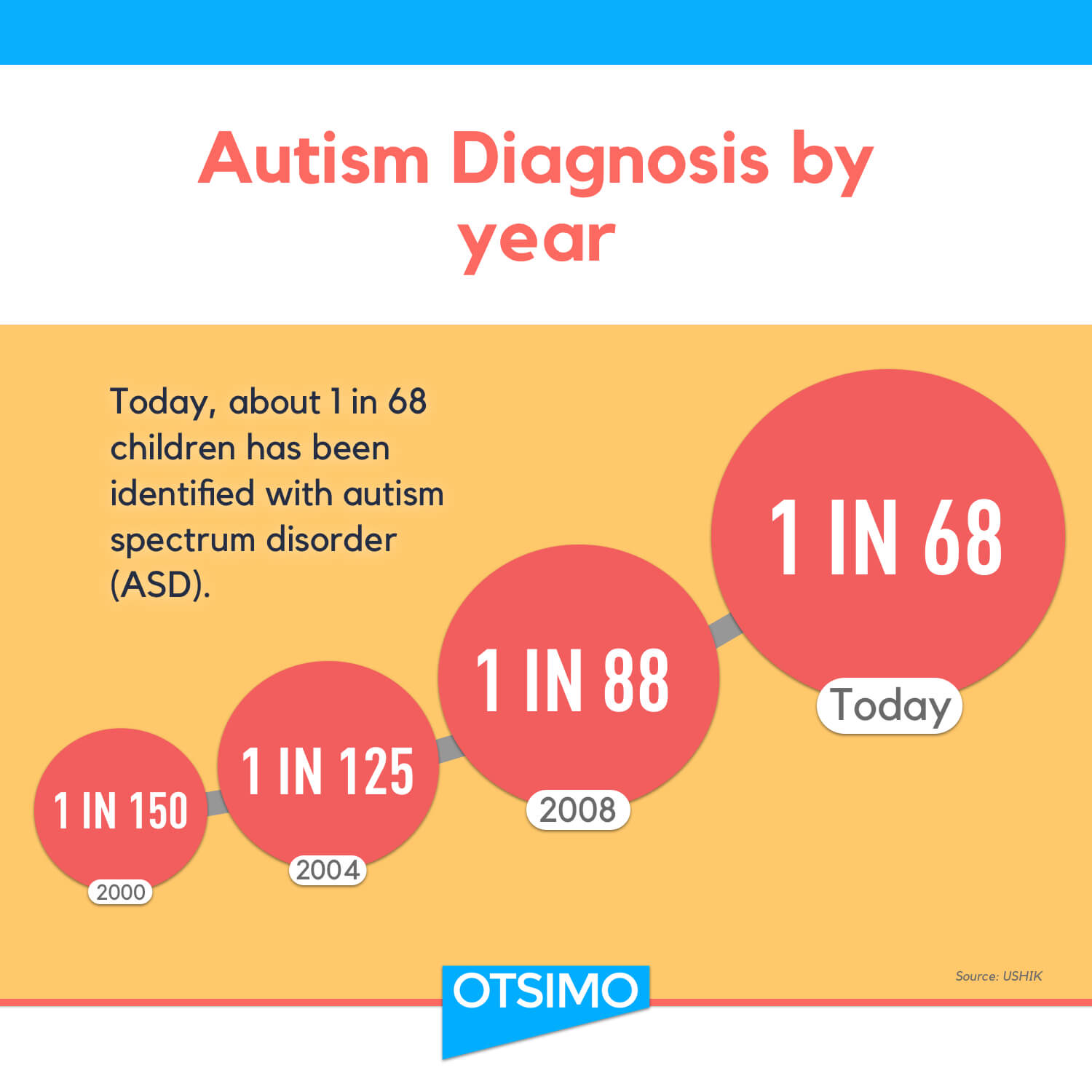

When Should I Use Play Therapy for Toddlers with Autism?
Age‑Appropriate Timing
The first two years are a whirlwind of development. Early intervention, ideally before age 3, can capitalize on neuroplasticity—the brain’s ability to reorganize itself. Play therapy can be introduced as soon as a child reaches the developmental milestones of interest, often around 18–24 months for many toddlers on the spectrum.
Professional Guidance and Early Intervention
- Seek a licensed therapist with experience in ASD and play therapy. Combine with other therapies: Speech, occupational, and behavioral therapies often complement play therapy. Set realistic goals: Short‑term (e.g., increased eye contact) and long‑term (e.g., improved social reciprocity).
> “Early intervention is not a luxury; it’s a necessity.” – Dr. Emily Smith, Pediatric Neuropsychologist
How Play Therapy Works in Practice
Structured vs. Unstructured Play
- Structured play: Therapist-led activities with clear objectives, such as a “pretend kitchen” session to practice turn‑taking. Unstructured play: Free play where the child leads, and the therapist observes and intervenes subtly.
Key Techniques and Tools
- Modeling: The therapist demonstrates desired behaviors, then encourages the child to imitate. Scaffolding: Gradually increasing task complexity as the child gains confidence. Reinforcement: Positive feedback or small rewards to encourage engagement. Sensory integration: Incorporating tactile, auditory, or visual stimuli to accommodate sensory sensitivities.
**Anecdote : One toddler named Maya loved building towers of blocks. Her therapist introduced a “castle” theme, encouraging her to pretend each tower was a castle. Maya’s imagination blossomed, and soon she began inviting her brother to help, practicing sharing and turn‑taking—skills she’d struggled with before.
Common Misconceptions and Practical Tips
Myth vs. Reality
- Myth : Play therapy is only for “playful” children.
- Keep sessions short (10–15 minutes) to match attention spans. Use favorite toys to increase motivation. Celebrate small wins with a high‑five or sticker.
Making Your Selection Count
Deciding when to start play therapy is like choosing the right seasoning for a dish—you want the flavor to enhance, not overpower. If you’re noticing delays in play, communication, or social interaction, reaching out to a licensed professional is a proactive step. Early intervention can set the stage for smoother development, turning a toddler’s challenges into stepping stones toward confidence and connection.
Remember, the goal isn’t to force a toddler into a “play” scenario but to create a supportive environment where they can explore, experiment, and express themselves. By weaving play therapy into your child’s routine—whether in a clinic or at home—you’re investing in a future where every toy, game, and giggle counts.